Issue, February 2026

Newsletter

January’s Most-Watched Surgery Sessions – Are You Prepared Like the Others?

These sessions didn’t become popular by accident.
They were watched, revised, and bookmarked by surgery residents who are serious about exams, emergencies, and real-life decision-making.

Here are the most-viewed Conceptual Surgery sessions of January—and more importantly, what you’ll gain from each 👇

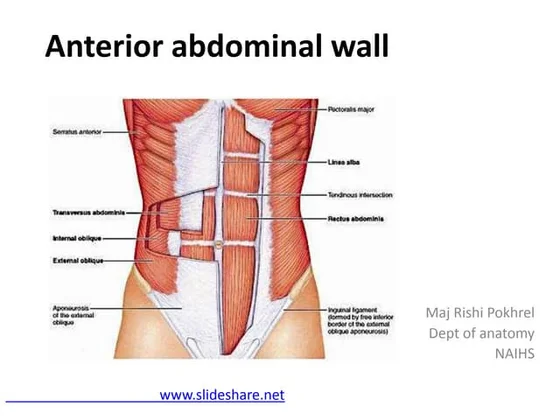
1️⃣ Anatomy of the Anterior Abdominal Wall By Prof. Dr. Anubhav Vindal

Strong surgery starts with strong anatomy.
This session revisits the anterior abdominal wall in a way every examiner expects you to know it.

You will learn to:

  • Understand all layers of the anterior abdominal wall clearly
  • Master muscles, fasciae, vessels, and nerve supply
  • Apply anatomy to common surgical and clinical scenarios
  • Answer anatomy-based questions confidently in exams

Ideal for: MBBS students | Surgery residents | Anatomy revision for exams

Click Here to Watch

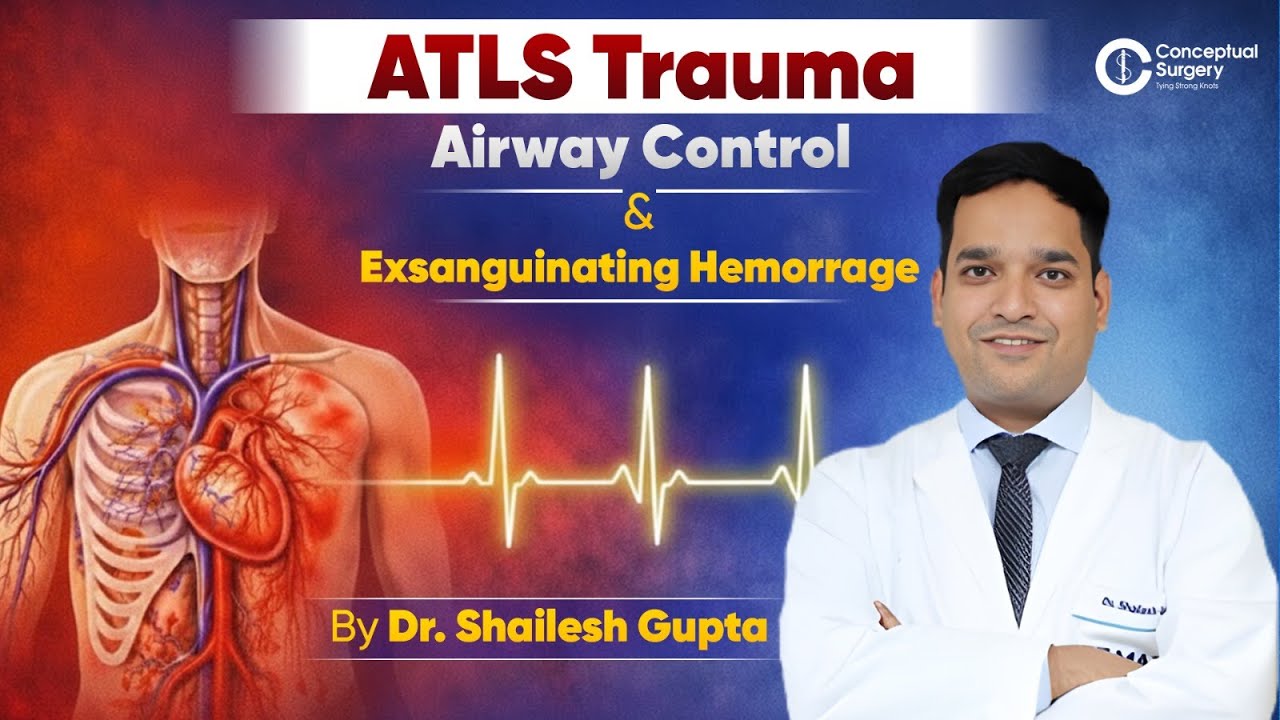
2️⃣ ATLS Trauma Way: Control of Exsanguinating Hemorrhage | Dr. Shailesh Gupta

In trauma, minutes decide outcomes.
This session teaches what to do first—when bleeding can’t wait.

You will learn to:

  • Prioritize early hemorrhage control in trauma patients
  • Apply ATLS principles during the primary survey
  • Use tourniquets, pelvic binders, and damage control strategies
  • Understand massive transfusion protocols
  • Make fast, exam-oriented trauma decisions

Click Here to Watch

3️⃣ Trauma ATLS Way: Initial Assessment (ABCDE Approach) By Dr. Shailesh Gupta

ABCDE is not just a mnemonic—it’s a lifesaving sequence. This session simplifies trauma assessment for exams and emergencies.

You will learn to:

  • Perform a systematic ATLS-based primary survey
  • Identify life-threatening conditions early
  • Avoid common mistakes during trauma assessment
  • Handle emergency scenarios confidently in exams and postings

Click Here to Watch

4️⃣ How to Pass MS–DNB Exam: Decoding Surgical OSCEs | Prof. Dr. Pawanindra Lal

OSCEs don’t test how much you know—they test how you present it.
This session turns OSCEs into scoring opportunities.

You will learn to:

  • Understand how OSCE stations are structured
  • Know exactly what examiners look for
  • Manage time effectively at each station
  • Frame answers clearly and confidently
  • Avoid common mistakes that cost marks

Must-watch for: MS & DNB surgery residents

Click Here to Watch

5️⃣ How to Pass MS/DNB Short Cases: Inguinal Hernia By Prof. Dr. Pawanindra Lal

Inguinal hernia is a favorite short case—and a common place to lose marks.
This session gives you an examiner-friendly, foolproof approach.

You will learn to:

  • Perform stepwise inspection, palpation, and examination
  • Differentiate direct vs indirect inguinal hernia confidently
  • Answer high-yield clinical questions examiners love
  • Present findings clearly in viva and practical exams
  • Avoid common presentation errors

Perfect for surgery residents, final-year students & DNB aspirants

Click Here to Watch

Don’t Let Others Prepare Better Than You

These sessions are just a preview of what Conceptual Surgery offers-

✔ Clear concepts
✔ Exam-oriented teaching
✔ Real surgical decision-making

👉 Subscribe to Conceptual Surgery today and get access to structured learning designed to help you crack exams, handle emergencies, and grow as a surgeon.

Don’t wait for the exam pressure to hit. Start preparing the right way now.